


Mechanical Vacuum Lifters
Mechanical Vacuum Lifters Perth and Western Australia
Mechanical vacuum lifters provide a simple, reliable way to lift steel plate, sheet metal, glass, and other smooth, non-porous materials without electricity, batteries, or compressed air. These self-priming vacuum lifters use the upward movement of a crane or hoist to mechanically generate the vacuum required to grip the load. This makes them particularly suitable for workshops, warehouses and fabrication facilities where electrical or compressed-air connections are unavailable or inconvenient. Materials Handling Solutions supplies mechanical vacuum lifters throughout Perth and Western Australia, with lifting capacities ranging from 80kg to 2000kg. The range includes single-pad and multi-pad configurations for handling different load sizes, weights and shapes. Our mechanical models form part of our broader range of Vacuum Lifters Perth & Western Australia.What Is a Mechanical Vacuum Lifter?
A mechanical vacuum lifter is a crane or hoist-mounted lifting attachment that creates vacuum without an electrically powered vacuum pump, battery or compressed-air supply. The lifter contains an internal piston or plunger mechanism. When the vacuum pad is positioned on the material and the lifting point is raised, the plunger moves upwards and creates negative pressure between the vacuum pad and the load. This vacuum allows the pad to securely grip suitable non-porous materials during lifting. Mechanical vacuum lifters are also commonly described as:- Self-priming vacuum lifters
- Unpowered vacuum lifters
- No-power vacuum lifters
- Mechanical suction lifters
- Mechanical plate vacuum lifters
- Hoist-operated vacuum lifters
- Plunger vacuum lifters
How Does a Mechanical Vacuum Lifter Work?
The supporting hoist controls the mechanical vacuum-generating process. The basic operating sequence is: 1. Lower the mechanical vacuum lifter onto the material. 2. Ensure the vacuum pad or pads are correctly positioned on a clean surface. 3. Allow the pads to make full contact with the load. 4. Raise the lifting point using the crane or hoist. 5. The upward movement activates the internal plunger mechanism. 6. The plunger generates the vacuum required to grip the material. 7. Check the vacuum indicator before completing the lift. 8. Move and lower the load into its required position. 9. Follow the manufacturer’s operating procedure to release the vacuum. Because the lifting action creates the vacuum, no separate electrical pump, battery system or compressed-air connection is required.Mechanical Vacuum Lifter Capacity Range
Our mechanical vacuum lifter range includes single-pad and multi-pad configurations with capacities from 80kg to 2000kg.|
Model |
Configuration |
Lifting capacity |
|
VSM-080-1 |
Single-pad mechanical vacuum lifter |
80kg |
|
VSM-300-1 |
Single-pad mechanical vacuum lifter |
300kg |
|
VSM-600-6 |
Six-pad mechanical vacuum lifter |
600kg |
|
VSM-800-1 |
Single-pad mechanical vacuum lifter |
800kg |
|
VSM-800-4 |
Four-pad mechanical vacuum lifter |
800kg |
|
VSM-1000-2 |
Two-pad mechanical vacuum lifter |
1000kg |
|
VSM-2000-1 |
Single-pad mechanical vacuum lifter | 2000kg |
Single-Pad Mechanical Vacuum Lifters
Single-pad mechanical vacuum lifters provide a compact lifting solution for loads that can be safely supported from one central gripping point. Four lifting capacities are available:- 80k
- 300kg
- 800kg
- 2000kg
- The load has a suitable central gripping area
- The material is sufficiently rigid
- The centre of gravity can be correctly controlled
- The load surface is smooth and non-porous
- A compact lifting attachment is preferred
Multi-Pad Mechanical Vacuum Lifters
Multi-pad mechanical vacuum lifters distribute the lifting force across a larger section of the material. This can provide improved support when handling larger sheets, panels or plates. Our range includes:- 1000kg two-pad mechanical vacuum lifter
- 800kg four-pad mechanical vacuum lifter
- 600kg six-pad mechanical vacuum lifter
Materials These Lifters Can Handle
Mechanical vacuum lifters are designed for smooth, non-porous materials capable of maintaining an effective vacuum seal. Suitable materials may include:- Mild steel plate
- Stainless steel sheets
- Aluminium sheets and plates
- Coated metal panels
- Flat glass
- Smooth plastic sheets
- Other non-porous panels and components
Surface Conditions
A mechanical vacuum lifter relies on an effective seal between the pad and the material. The surface must therefore be suitable for vacuum handling. Before lifting, check the material for:- Oil or grease
- Dirt and dust
- Moisture
- Heavy rust or scale
- Deep scratches
- Holes or cut-outs
- Raised sections
- Excessive surface texture
- Protective films that may detach
- Coatings that could separate from the base material
Benefits of Mechanical Vacuum Lifters
No External Power Required
Mechanical vacuum lifters do not require electricity, batteries or compressed air to generate vacuum. This makes installation simpler and avoids trailing electrical cables or pneumatic hoses. Simple Hoist Operation The vacuum is generated by the lifting movement of the crane or hoist, allowing the lifter and supporting equipment to work together as a straightforward handling system.Reduced Manual Handling
Vacuum lifting can reduce the need for operators to manually lift, reposition or guide heavy plates and panels.No Clamps or Slings Around the Load
The vacuum pads grip the surface of the material, reducing the need to position chains, slings or mechanical clamps around the load.Suitable for Different Work Areas
Because they do not require a separate power supply, mechanical vacuum lifters can be used in work areas where electrical or compressed-air services are limited.Low-Maintenance Design
Their mechanical operation generally involves fewer electrical components than powered vacuum lifting systems. Inspection and maintenance must still be completed in accordance with the manufacturer’s instructions.Cranes and Hoists for Mechanical Vacuum Lifters
A mechanical vacuum lifter requires a suitable hoist and supporting crane system. The complete lifting arrangement must have sufficient capacity for the combined weight of the lifter and its maximum load. Depending on the application, the lifter may be used with:- Electric chain hoists
- Manual chain hoists
- Overhead cranes
- Jib cranes
- Gantry cranes
- Monorail cranes
- Track crane systems
Mechanical Vacuum Lifters for Sheet-Metal Workshops
Mechanical vacuum lifters are particularly useful in steel-processing and fabrication environments. Common applications include:- Loading and unloading cutting machines
- Moving steel plate between workstations
- Handling stainless steel sheets
- Transferring aluminium panels
- Loading and unloading storage systems
- Moving plate onto fabrication tables
- General workshop plate handling
Choosing the Correct Mechanical Vacuum Lifter
Consider the following before selecting a mechanical vacuum lifter:Load Weight
The rated lifting capacity must exceed the weight of the material being handled. Never use the equipment above its rated capacity.Material Dimensions
Long or wide sheets may require several vacuum pads to control deflection and distribute the lifting force.Material Thickness and Rigidity
Thin material may flex during lifting. The number and spacing of the vacuum pads must provide adequate support.Surface Condition
The surface must be sufficiently smooth and non-porous to create and maintain an effective seal.Centre of Gravity
Position the lifting point and vacuum pads so the load remains balanced and controlled.Lifting Orientation
Confirm whether the selected unit is approved for horizontal, vertical or inclined lifting. Never use a lifter in an orientation not approved by the manufacturer.Crane and Hoist Capacity
The crane and hoist must accommodate the combined weight of the vacuum lifter and the maximum lifted load.Safe Operation
Mechanical vacuum lifters must be correctly selected, inspected and operated by trained personnel. Before each lift:- Inspect the vacuum pads for wear or damage
- Check the hoses, fittings and lifting components
- Confirm that the material surface is suitable
- Position the pads correctly
- Check the vacuum indicator
- Perform a controlled trial lift
- Keep the load as low as practical while travelling
- Keep personnel clear of suspended loads
- Never exceed the rated lifting capacity
Mechanical Vacuum Lifters Perth and WA
Materials Handling Solutions supplies mechanical vacuum lifters to fabrication workshops, warehouses, manufacturers, engineering businesses and industrial facilities throughout Perth and regional Western Australia. Our range covers lifting capacities from 80kg to 2000kg, with single-pad, two-pad, four-pad and six-pad configurations available. We can help assess:- Load weight and dimensions
- Material type and surface condition
- Required pad configuration
- Crane and hoist capacity
- Available lifting height
- Work-area coverage
- Installation requirements
- Inspection and maintenance requirements
Request a Quote
If you need a simple vacuum lifting solution without electricity, batteries or compressed air, a mechanical vacuum lifter may be the right option. Browse the available models below or contact Materials Handling Solutions for help selecting the correct lifter for your application. **Call 08 9258 4011 or email sales@mhsperth.com.au for advice and a competitive quote.Frequently Asked Questions
What is a mechanical vacuum lifter?
A mechanical vacuum lifter is a crane or hoist-mounted lifting attachment that uses an internal plunger or piston to generate vacuum. It does not require electricity, batteries or compressed air.How does an unpowered vacuum lifter create suction?
When the hoist raises the lifting point, the internal plunger moves upwards and creates negative pressure between the vacuum pad and the load.What materials can a mechanical vacuum lifter handle?
Mechanical vacuum lifters are suitable for smooth, non-porous materials such as steel plate, stainless steel, aluminium, glass and some plastic panels.Can a mechanical vacuum lifter handle porous materials?
Generally, no. Porous materials allow air to enter beneath the vacuum pad, making it difficult to maintain a secure vacuum.What capacities are available?
The MHS range includes mechanical vacuum lifters with capacities of 80kg, 300kg, 600kg, 800kg, 1000kg and 2000kg, depending on the pad configuration.Does a mechanical vacuum lifter need a pump?
No external powered pump is required. The vacuum is generated mechanically through the movement of the internal plunger.Can these vacuum lifters handle glass?
They may be suitable for smooth, non-porous glass, subject to the glass dimensions, weight, condition, lifting orientation and the manufacturer’s approval. For installation work, a purpose-designed glass lifter may be more appropriate.Do I need a crane or hoist?
Yes. A mechanical vacuum lifter must be suspended from a suitable crane or hoist with sufficient capacity for the combined weight of the lifter and its load.Do you supply mechanical vacuum lifters outside Perth?
Yes. Materials Handling Solutions supplies mechanical vacuum lifters throughout Perth, regional Western Australia and interstate.Showing all 7 results
-

80kg Mechanical Vacuum Lifter – Victory Sentinel VSM-080-1
Add to cartAdd to Quote -

300kg Mechanical Vacuum Lifter – Victory Sentinel VSM-300-1
Add to cartAdd to Quote -
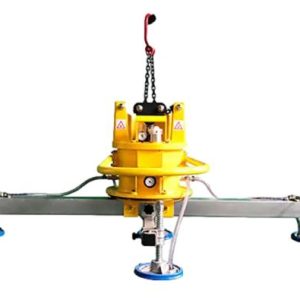
600kg Mechanical Vacuum Lifter – Victory Sentinel VSM-600-6
Add to cartAdd to Quote -
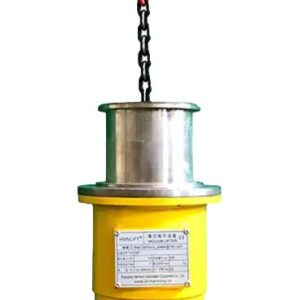
800kg Mechanical Vacuum Lifter – Victory Sentinel VSM-800-1
Add to cartAdd to Quote -

800kg Four-Pad Mechanical Vacuum Lifter – Victory Sentinel VSM-800-4
Add to cartAdd to Quote -
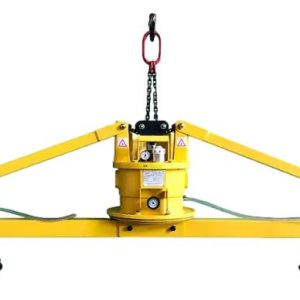
1000kg Mechanical Vacuum Lifter – Victory Sentinel VSM-1000-2
Add to cartAdd to Quote -

2000kg Mechanical Vacuum Lifter – Victory Sentinel VSM-2000-1
Add to cartAdd to Quote
You have made it till the end!
No post here!